
The Race of Gentlemen: What It Takes to Build for the Beach
A convincing vintage hot rod and a prepared beach racer aren't necessarily the same car. Here's where class eligibility, mechanical preparation and a realistic build plan meet.
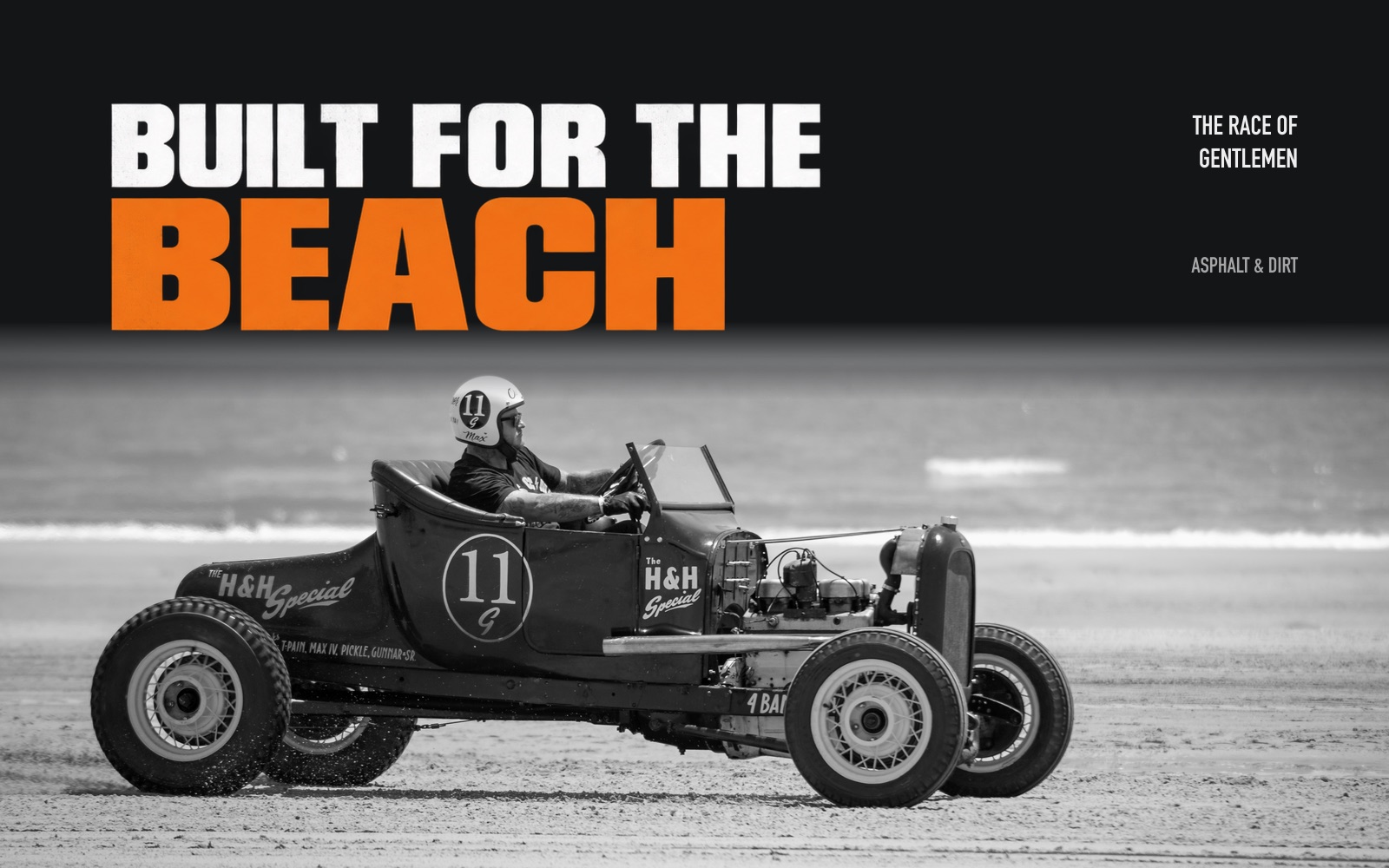
Photo: © Brian Lauer, “TROGbri-29” (2017) / Flickr / CC BY 2.0. Cropped, converted to monochrome; typography added.
A flathead and faded paint make a convincing photo. They don't make a finished race car.
Building for The Race of Gentlemen means choosing a period-appropriate combination for an approved class, then preparing it to function on sand. Our advice: settle eligibility before buying parts, and give reliability and driver protection as much attention as the silhouette.
TROG Wildwood puts hot-rodding culture on a beach, but the build questions will feel familiar to anyone with a project car: What belongs together? What needs rebuilding? And which tempting shortcut will become expensive later?
The official schedule listed beach racing for October 3–4, 2026. This is a build guide, not a claim about how that weekend's racing unfolded.
The Race of Gentlemen Starts With the Class
Read beyond the headline cutoffs. The current TROG car requirements set a general baseline of American bodies from 1934 or earlier and American flathead fours or V8s from 1953 or earlier. But Early OHV, meaning overhead valve, separately permits bodies through 1941 and engines through 1954, with specific drivetrain restrictions.
That's a meaningful distinction, not permission to mix whichever limits suit your parts pile.
Before spending money, we'd send the race team a proposed combination with clear photographs and component identification. Ask which class it belongs in and what needs changing. Keep the response with your build notes.
Treat that conversation like confirming an autocross class before ordering suspension parts. The question isn't whether a component is desirable. It's whether it belongs in the car you're trying to enter.
A bargain engine isn't a bargain if the whole project has to change around it.
Looking Old Is Not a Safety Plan
The published rules require a modern five-point harness, brakes at every wheel, a working extinguisher and a radiator catch can; roadsters also need a prescribed roll bar. Helmet and installation details deserve a complete read, not a screenshot of somebody else's car.
Our recommendation is to involve a qualified fabricator familiar with vintage competition cars before finalizing seating and restraint mounting. Event compliance and a sound installation are related questions, not interchangeable answers.
Don't spend the fabrication budget making the stance perfect, then ask how the driver fits.
This article isn't a technical inspection or a substitute for the organizer's approval. Resolve unclear requirements directly with the race team before building around an assumption.
Build for Sand, Not Just the Photograph
There's a useful example in Rob Ida's account of preparing the chain-driven Black Beast for TROG in 2021. He explained that its exposed chains and sprockets needed protection from sand and saltwater, so his team made removable leather enclosures that suited the car's appearance.
That was a solution for that particular machine, not a universal recipe. But the reasoning matters: identify what the environment threatens, then solve the problem without treating the car's character as disposable.
The same interview makes another point worth remembering. Ida describes a driving experience very different from a modern car, including how the machine starts and responds. Familiarity belongs in the preparation budget, too.
HOT ROD's firsthand coverage of Andy Kohler's 2018 TROG effort offers a more recognizable roadster example. Before the event, his preparation included checking plugs, wires, fluids and running gear after winter storage. His hood, bellypan, sand shield and carburetor screens helped manage sand exposure without eliminating it.
Those are historical examples, not proof that either configuration would pass today's inspection. They're valuable because they show work that a starting-line photograph leaves out.
For your own project, we'd make a protection and maintenance plan with the people who built the engine and chassis. Ask what needs inspection between runs, what contamination would mean stopping, and how the car should be cleaned and checked afterward.
Don't borrow a beach-driving tire-pressure number from a Jeep forum and assume it belongs on your hot rod. Get guidance specific to your wheel, tire, vehicle and event.
Budget for the Unphotogenic Work
We aren't putting a pretend dollar figure on a TROG build. A running, known-history project and a collection of unidentified swap-meet parts are different starting points.
Instead, separate the purchase price from the cost of making the car dependable. We'd get estimates for inspection and necessary repairs before committing the remaining budget to appearance or speed equipment.
Then include transport, tools, suitable spares and the time to test the finished combination in an authorized setting. None of that produces a glamorous parts-unboxing post. All of it deserves space in the plan.
Keep records of what was changed and what was tested. If a problem returns, notes are more useful than remembering that it seemed fine before you loaded the trailer.
The goal isn't merely getting the car to Wildwood. It's arriving with a car you understand.
Exceptions Aren't a Build Strategy
In MotorWeek's segment aired January 31, 2026, New Jersey builder Rob Ida discussed bringing a 1957 Porsche and a 1954 Corvette. He said founder Mel Stultz allowed him to race later sports cars and was considering a future sports-car class.
That interview is evidence of discretionary participation, not confirmation that a new class launched or that your car qualifies. The entry page explicitly reserves exceptions to Mel and the race team.
There's a reasonable argument for preserving a tightly defined historical field: its limits are part of the appeal. There's also a reasonable argument for carefully chosen additions that bring another chapter of racing history into view.
That's an editorial question worth discussing, not proof of a community feud.
Our position: enjoy the unusual entrants, but build to an agreement you actually have. Somebody else's invitation isn't yours.
Quick Answers
What is The Race of Gentlemen?
TROG is a vintage car and motorcycle racing event. Its Wildwood edition brings that competition to the beach.
What cars qualify for TROG?
Eligibility depends on the class and organizer approval. The general age limits aren't universal; Early OHV has different cutoffs.
How do you prepare a hot rod for beach racing?
Start with mechanical inspection, then develop a vehicle-specific plan for sand protection, maintenance and driver familiarization. Historical builds offer examples, not automatic approval.
Can later cars race at TROG?
Selected later cars have participated by permission. Don't assume that an exception creates general eligibility.
Our Take
The attraction of vintage beach racing isn't that preparation stops mattering when the cars get old. It's getting something distinctive, mechanical and deeply personal to work in an unforgiving setting.
We'd rather see a thoughtfully sorted build than a more dramatic car finished in a panic. That doesn't mean sanding off its personality. It means putting enough care underneath the personality that the driver can concentrate on driving.
Choose the class. Ask the awkward questions early. Build something you know how to look after.
Would you build a dedicated TROG racer, or keep your hot rod configured for the street and enjoy Wildwood from the sidelines?